Menopause changes bodies. Hot flashes get all the headlines, but the quieter changes - like vaginal dryness, tissue thinning, and pelvic discomfort - are the ones that mess with your sex life.
Quick clarification first, because almost nobody gets this right: when people say "menopause," they usually mean perimenopause - the transition leading up to your final period, when hormones start fluctuating and symptoms actually show up. Mayo Clinic puts the average start at 47, though anywhere from your early 40s to early 50s is normal. Menopause itself is a single day: the day marking twelve consecutive months without a period. Everything after that is postmenopause. So if you're still getting periods (however chaotic) and wondering why sex feels different, you're in perimenopause, and there's plenty you can do about it right now.
The good news: there are simple ways to have more enjoyable sex without added hormones. The right lubricants, applied the right way, can restore comfort, confidence, and connection. (P.S. There's absolutely nothing wrong with Hormone Replacement Therapy if you need it.)
This guide explains which lubes actually help during menopause, how to pick a safe formula for sensitive skin, what to watch for if you have vaginal atrophy or pelvic pain, and why a little chemistry - plus a mindset shift - goes a long way toward better sex.
Key Takeaways
-
Choose between pH-balanced water-based lube or clean-ingredient oil-based and silicone-based options that mimic natural lubrication.
-
Water-based lubricant is safest for condoms and most sex toys; silicone-based and oil-based lubricants are longer-lasting and great for other kinds of play.
-
Desire often shifts from spontaneous to responsive during this transition - arousal shows up after touching starts, not before. That's a different order of operations, not a malfunction.
-
Vaginal moisturizers and vaginal estrogen can support ongoing hydration and tissue health when dryness is persistent.
-
If intercourse is dry and painful, try pelvic floor therapy.
-
Check labels, patch-test for sensitive skin, and consult a board-certified clinician when pain or persistent vaginal dryness continues.

Why Menopause Changes Lubrication
Estrogen affects vaginal tissues. When hormone levels fall, mucosal thinning, decreased blood flow, and lower natural lubrication can lead to vaginal dryness, painful penetration, and increased friction. Vaginal atrophy is common, and it's the reason many people seek solutions beyond hormone therapy.
But hormones aren't the whole story. We asked Simone Farschi, Sex and Intimacy Coach and founder of The Pleasure Plus, to break down the mechanics without the doom:
"During perimenopause, estrogen, progesterone, and testosterone begin to fluctuate, and that can change how we experience sex. Desire may become less spontaneous and more responsive. Vaginal tissues can become drier or more sensitive, arousal may take longer, orgasms can feel different, and stress or poor sleep can make it harder for the body to relax into pleasure."
That "less spontaneous, more responsive" part deserves a highlight. Responsive desire means arousal builds after things get started rather than before. Once you stop waiting to feel turned on before you begin, a lot of pressure evaporates. Pelvic floor tension, certain medications, and general pelvic pain can also worsen symptoms independent of hormones. Sometimes simple, smart lubrication is the fastest route back to pleasurable sex.
Why Vaginal Dryness Happens (And How to Boost It Naturally)
Menopause rarely acts alone - a few other everyday factors quietly compound dryness, menopausal or not:
-
Stress - your brain is your biggest sex organ, and when it's overwhelmed, arousal response and natural lubrication both drop.
-
Medications - antihistamines, antidepressants, and certain cancer treatments can all affect circulation and hormone levels in ways that show up as dryness.
-
Lifestyle factors - smoking reduces blood flow and lowers estrogen; poor sleep disrupts hormone regulation; low intake of healthy fats can impact hormone production; dehydration means less fluid available for natural lubrication.
-
Lack of arousal - sometimes it's not about your body "not working," it's about not being warmed up yet. More time, more stimulation, and more connection generally means better natural lubrication.
None of these replace a conversation with your doctor if symptoms are persistent, but they're worth ruling out or addressing alongside any hormonal picture.
A few habits can genuinely help your body do more of the work on its own:
- Stay hydrated. Hydration directly affects your body's ability to produce natural fluids, including the ones you care about here.
- Support your body with healthy fats - avocados, nuts and seeds, olive oil, and omega-3-rich foods support hormone production and tissue health over time.
- Prioritize foreplay. More foreplay means more blood flow, and more blood flow means more natural lubrication. If things feel a little off, it might not be your body - it might just be the pacing.
These work alongside lube, not instead of it - think of them as giving your body more to work with.
What Makes A Great Menopause Lube
When you're choosing the best lube for menopause, look for a few non-negotiables:
-
Hormone-free, clean ingredients - to maintain natural acidity and help protect the vaginal microbiome.
-
Medical-grade or clinical formulation - fewer irritants, predictable performance.
-
Gentle for sensitive skin - fragrance-free and free from glycerin if you're yeast-prone.
-
Longevity - water-based lubes are safe and clean but may need reapplication. Silicone-based and oil-based lubes last longer, which helps when dryness makes intercourse painful.
-
Compatibility - if you use condoms or silicone sex toys, check compatibility. Water-based lubes are toy- and condom-safe. Oil will break down latex. Silicone breaks down silicone sex toys.
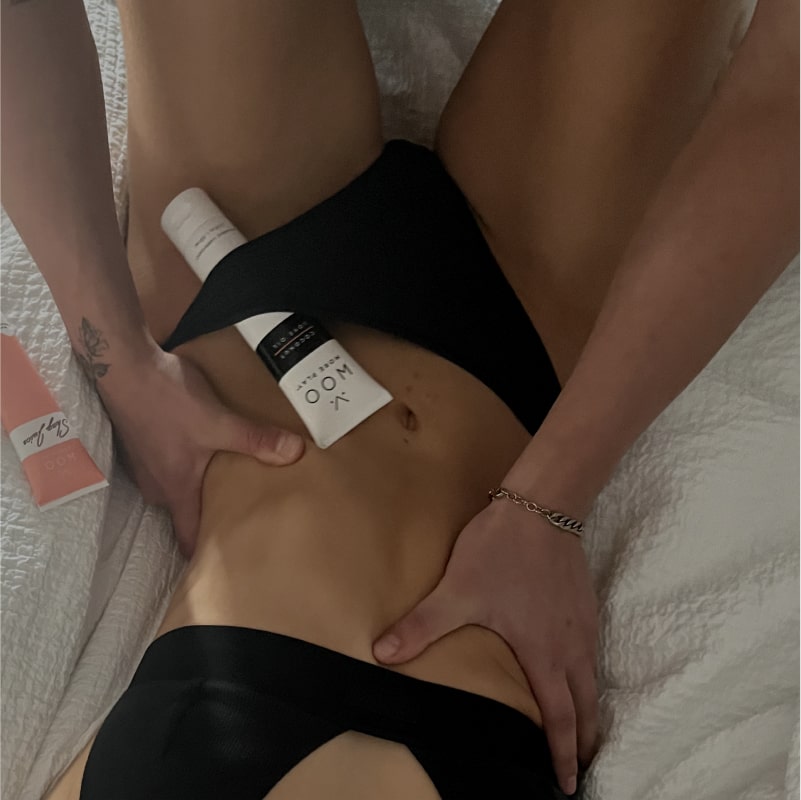
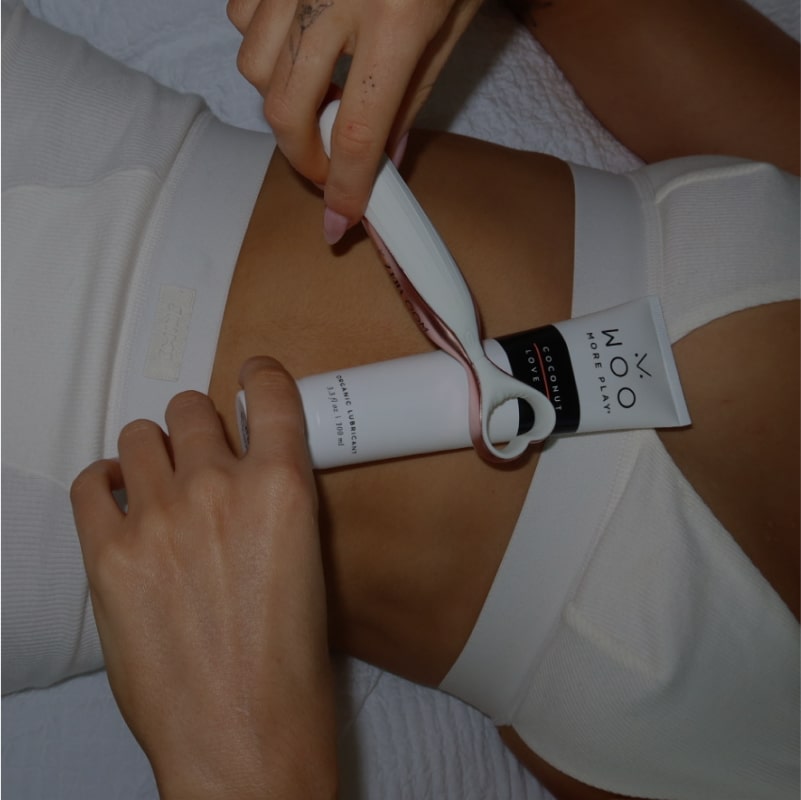
WOO's lineup includes hormone-free water-based, silicone-based, and a coconut oil-based option so you can match the moment. A lube bundle with all three makes experimenting less mysterious.
Water-Based Lubes vs Silicone-Based vs Oil-Based Lubes
Short breakdown for quick decisions.
Water-based lubes
- Best for sensitive skin and vaginal atrophy recovery.
- Condom safe and toy friendly.
-
Mimics natural lubrication but may dry faster.
Silicone-based lubes
- Long-lasting and perfect for alleviating pelvic pain.
- Great for shower play.
- Minimal reapplication.
-
Not compatible with silicone sex toys.
Oil-based lubes
- Warming, nourishing, and sensual.
- Great for massages and foreplay.
- Do not use with latex condoms.
- Pantry coconut oil is different from a formulated coconut oil lube; choose products made for internal use.

Vaginal Moisturizers (and Where Estrogen Therapy Fits)
For ongoing hydration and vaginal tissue support, vaginal moisturizers and vaginal estrogen therapy can make a huge difference. They improve elasticity and reduce discomfort during sex - especially when used regularly. Moisturizers are for ongoing hydration; lube is for the moment.
In many cases, simple solutions come first. Vaginal lubricants (water and silicone-based if you're using condoms, oil-based if without) and moisturizers are often recommended as an initial step to relieve dryness before moving on to medical treatments, if needed. From there, a healthcare provider may suggest options like vaginal estrogen, estrogen cream, or other treatments to support vaginal tissue health.
Pelvic Floor, Pain, And How Lube Helps
Painful sex often has multiple causes. Pelvic floor muscles may be tense, and vaginal tissue may be thin and less elastic. Lube reduces friction and gives tissue time to relax. Combining a water-based lubricant with pelvic floor therapy, gentle dilator practice, and breathing techniques often speeds recovery.
If intercourse triggers pelvic pain, consider a multidisciplinary approach: pelvic floor physical therapy, targeted lubrication strategies, and guidance from a board-certified gynecologist.
Foreplay and Non-Penetrative Pleasure
Your body may need a little more time to warm up - and that's not a bad thing. Touch, massage, kissing, using external sex toys... it all counts. And the slower pace? Chef's kiss.
Simone is emphatic on this one:
"What keeps sex pleasurable is slowing down. Longer foreplay, generous lubrication, emotional safety, honest communication, and letting go of old expectations become more important than ever. Rather than trying to recreate the sex you had at 25, it's an opportunity to discover the kind of sex your body wants now."
Using Sex Toys During Menopause
Sex toys can be allies. External vibrators boost blood flow, help with arousal, and reduce reliance on natural lubrication. Internal toys help with stretching and comfort training when used gently. For most people, water-based lubes work best with silicone sex toys, while oil-based lube is perfect when you want marathon glide without reapplying.
Coconut Oil: Kitchen Staple Or Lube?
Coconut oil is a natural moisturizer, and many people love its texture and scent. But pantry coconut oil can change pH and increase yeast risk for some people. If you adore the sensation, choose a coconut oil-based personal lubricant formulated for internal use and tested for vaginal safety. That keeps the benefits without the gamble.
Navigating Sex After Menopause
Sex doesn't have to look like it did at 25. When you shift the goal from performance to pleasure, everything changes - and that reframe matters as much as any product.
Farschi pushes back hardest on the idea that bodies "betray" us at this stage:
"I would gently challenge that story. I like to ask, 'What exactly has your body betrayed? Is that belief truly yours, or is it an expectation you've inherited?' Rather than asking your body to go back, ask what it wants now."
She adds that what feels like betrayal is often an invitation - a roadmap toward a new relationship with pleasure, intimacy, and yourself. The less you fight a changing body, the more it tends to soften. And this goes both ways: partners experience hormonal shifts and declining testosterone with age too. The better question isn't "how do we get back to how it was," it's "what does pleasure look like for us now?"
How To Use Lube For Best Results
- Apply liberally at first and add as needed. More is better when dryness makes sex painful.
- For penetration, lubricate both the receiving area and the penetrating partner or toy.
- If you use condoms, choose water-based lubes or clean-ingredient silicone-based options; avoid oil.
- For pelvic floor issues, pair lube with relaxation, slow entry, and breathing.
- Store lubes as instructed and do a patch test for sensitive skin.
When To See A Gyno Or Clinician
When you begin noticing symptoms associated with perimenopause or menopause, talk to your doctor about what treatment is best. If vaginal dryness, burning, or painful intercourse continue despite using pH-balanced products and pelvic floor work, follow up with your healthcare professional. A board-certified gynecologist can evaluate for vaginal atrophy, suggest local therapies, or advise whether hormone therapy or vaginal estrogen is appropriate.
Many people find that a combination of medical advice and well-chosen lubricants gives the best, hormone-free improvements.
Lube For Menopause Cheat Sheet
- If you need gentle, daily support: water-based lube designed for sensitive mucosa.
- For marathon sessions or shower play: silicone-based lube for long-lasting glide.
- For sensual massage or edible play: a formulated coconut oil lube beats pantry oil.
- If condoms are part of the plan, use water-based and silicone-based lubes to protect barrier integrity.
- Want to try everything? A lube bundle lets you match every mood, toy, and type of sex.
FAQ On Lube For Menopause
What is the best lube for menopause?
Choose a pH-balanced, water-based lubricant designed for sensitive mucosa. Silicone- and oil-based options offer greater longevity.
What's the difference between perimenopause and menopause?
Perimenopause is the transition leading up to your final period, when hormones fluctuate and symptoms begin - often starting in your mid-40s. Menopause is the single point marking twelve consecutive months without a period. Most symptoms commonly labeled "menopausal" actually occur during perimenopause.
Do I need hormone therapy to fix vaginal dryness?
Hormone therapy can help vaginal atrophy and restore tissue elasticity, but it's not the only solution. Non-hormonal approaches like topical lubricants, pelvic floor therapy, hydration, and lifestyle changes often improve comfort and desire. Discuss risks and benefits with a board-certified provider before starting hormone therapy.
Can I use coconut oil for menopause dryness?
Raw coconut oil feels moisturizing and can help with temporary dryness, but it may alter vaginal pH and increase yeast risk for some, and it degrades latex condoms. If you love the texture, choose a tested, coconut oil-based personal lubricant formulated for internal use instead of pantry oil.
Does menopause always lower your sex drive?
Not always, but hormone levels can affect interest in sex. Desire often becomes responsive rather than spontaneous, meaning arousal builds once touch begins. Lifestyle changes, emotional connection, quality sleep, and generous lubrication all help support a satisfying sex life.
Can I still practice safe sex after menopause?
Yes! You may not be worried about pregnancy, but it's still important to practice safe sex to prevent STIs - especially with new or multiple partners.
How can I manage painful intercourse and pelvic pain?
Start slow, use generous lubricant, and communicate boundaries. Pelvic floor physical therapy, gentle dilator work, pH-balanced water-based lubes, and silicone-based options for longer glide often reduce pain. Seek medical advice for persistent pelvic pain.
Can vaginal dryness cause infections?
Yes. Dryness can make vaginal tissue more prone to irritation, which may increase the risk of urinary tract infections (UTIs) or discomfort during sex.
Final Thoughts On Lube For Menopause
Menopause may rewrite parts of your body, but it doesn't have to rewrite your pleasure. The right lube, matched to your body and your play, will restore glide, reduce friction, and make sex enjoyable again. Pair that with pelvic floor care, a little patience with a changing body, honest communication, and some well-timed toys, and your sex life can be better than just fine.
About The Expert

Simone Farschi, Sex and Intimacy Coach, is the founder of The Pleasure Plus, an online community that brings women together to learn how to have fulfilling and emotionally intelligent relationships, be empowered and secure in their bodies, gain sexual agency, and communicate desires. She offers private coaching sessions, pleasure mentorships, online courses, and retreats.