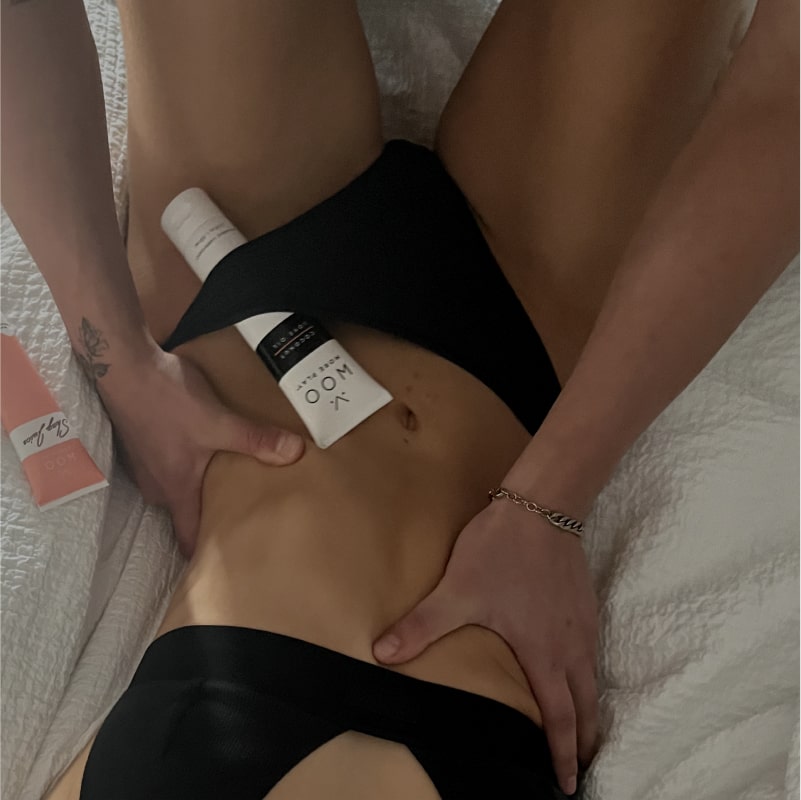
Coconut oil is the internet’s favorite home remedy. Dry skin? Coconut oil. Split ends? Coconut oil. Bad day? Probably still coconut oil.
So it’s no surprise people use it during sex — sometimes as a vaginal lubricant, sometimes as a natural moisturizer, sometimes just because it smells like a beach vacation.
But here’s the million-dollar question: What does coconut oil do to your pH balance?
And more importantly… Is it actually safe to use on (or inside) your vulva and vagina?
The short answer: Raw coconut oil is hit-or-miss. But coconut-oil–based lubricants formulated for sexual activity, like WOO’s Coconut Love Oil, are designed to support comfort, moisture, and pleasure without wrecking your natural pH.
The long answer is way more interesting. Let’s get into it.
Key Takeaways
-
Raw coconut oil can disrupt natural pH balance and increase the risk of vaginal infections, especially for people prone to yeast infections.
-
Coconut oil–based lubricants are formulated to avoid those issues and feel incredible for external and internal pleasure.
-
Coconut oil is a natural moisturizer with soothing benefits, but it is not a guaranteed fit for everyone.
-
Coconut oil is not compatible with latex condoms.
-
People with sensitive skin or chronic infections may find pH-balanced water-based or silicone-based lubricants more reliable.
-
A 2014 study showed oil-based lubricants may increase certain infection risks. Context matters, ingredients matter, formulation matters.

Coconut Oil & pH Balance: What’s Actually Going On?
Your vagina is a brilliant ecosystem with a natural pH balance between 3.8 and 4.5.
That acidity keeps everything running smoothly, protecting you from harmful bacteria, supporting good lactobacilli, and keeping your internal world calm, juicy, and happy.
Raw coconut oil, however… is not acidic.
It has no ability to support that delicate internal acidity. And because oil sits on the skin longer, it can disrupt the microbiome in a way that water-based products don’t.
This is why raw coconut oil gets mixed reviews. For some, it’s heaven. For others? It’s Googling “is this a yeast infection?” at 2 a.m.
Raw Coconut Oil: The Pros & Cons
The Pros
Raw coconut oil absolutely has perks. It’s why coconut oil works for so many people as a natural moisturizer.
- It’s hydrating
- It melts into the skin
- It reduces friction
- It feels warm and delicious
- It smells like vacation
- It contains fatty acids with mild antimicrobial properties
-
It’s free of added chemicals or synthetic fragrances (if using virgin coconut oil)
So yes, there’s a reason coconut oil became the OG home remedy for vaginal dryness.
The Cons
But… raw coconut oil is not perfect.
- It can trap heat and moisture, encouraging yeast infections
- It may disrupt natural pH balance
- It increases the risk of vaginal infections if you’re prone
- It can’t protect you from sexually transmitted infections (STIs)
- It breaks down latex condoms
- It can cling to tissue longer than intended
- It's not designed as a vaginal lubricant, even though some people do use it that way.
So while coconut oil is delicious on thighs, nipples, and anywhere you want slip and slide, your vagina deserves a little more science behind the scenes.

Why Coconut-Oil–Based Lubes Are Different
When coconut oil is used as a base in a formulated lubricant, everything changes.
A product like WOO’s Coconut Love Oil isn’t just a jar of coconut oil moved to a prettier bottle. It’s intentionally designed as a pleasure product:
- Made for external + internal contact (it doubles as massage oil)
- Smoothed out with additional ingredients for stability
- Safer for ongoing use
-
More predictable and hygienic than whatever’s in your pantry (double-dipping a jar of coconut oil can gather germs and bacteria)
In other words, coconut oil is safe when it's formulated for sex.
When it’s raw, it's a coin toss. When it’s engineered as a vaginal moisturizer and lubricant, it’s a whole different story.
Coconut Oil vs Water-Based Lubes vs Silicone-Based Lubricants
Not every lube is meant for everybody or every moment. Here’s the cheat sheet:
Water-Based Lubricants
- Best for sensitive skin, especially if it’s a pH-balanced lube
- Safe internally
- Condom + toy compatible
- Great for people prone to infections
-
Mimics natural moisture beautifully
Silicone-Based Lubricants
- Silicone lubes are incredible for long-lasting glide, similarly to coconut oil
- Great for shower play
- Safe internally
-
Not compatible with silicone toys
Oil-Based Lubricants (like coconut-oil lubes)
- Amazing for foreplay, massages, and oral
- Nourishing on skin
- Safe for internal use if specially formulated
- Not compatible with latex condoms
-
Not ideal for those with chronic infections
This is why the “best” lube always depends on context like your partner, your toys, your body, and your vibe. And if you’re playing with external toys like Mushroom Vibez, oil-based glide feels… unreal.
Does Coconut Oil Harm My pH Balance?
The real answer:
-
Raw coconut oil can disrupt pH balance, especially if you’re prone to irritation or yeast.
-
Coconut-oil–based lubricants are formulated to be safe for internal use while providing comfort
-
If you’re someone who battles infections regularly, a water-based formula is your safest, most steady choice.
-
If you want warmth, flavor, sensual slip, and delicious massage-style lubrication, coconut-oil–based lubricants are perfect.
How to Use Coconut-Oil–Based Lube Safely
1. Know Your Body
If you get yeast infections easily → use water-based. If you rarely get infections → coconut oil lube may be amazing for you.
2. Don’t Combine With Latex Condoms
Oil breaks latex. Every time.
3. Patch-Test If You Have Sensitive Skin
Apply a tiny bit on the inner thigh. Wait. See how your body reacts.
4. Wash Hands & Toys
Oil clings. Warm water + mild cleanser = your new ritual.
5. Use With Intention
Great for:
- Oral sex
- Massages
- Clitoral play
- External vulva moisture
- Intercourse without condoms
-
Slow, sensual nights
Less ideal for:
- Condom sex
- People with recurring infections
FAQ: Coconut Oil & pH Balance
Can coconut oil harm my natural pH balance?
Raw coconut oil can disrupt pH balance because it doesn’t support your vagina’s natural acidity. But coconut-oil–based lubricants designed for sexual use are far less risky and feel incredible.
Is coconut oil safe to use as a vaginal lubricant?
Raw coconut oil is a DIY home remedy, and results vary. A coconut-oil–based lubricant formulated for intimacy is a much safer and more stable choice for internal moisture.
Does coconut oil increase the risk of vaginal infections?
It can, especially if you’re prone to yeast. Oil holds warmth and moisture. If you get frequent infections, choose a water-based pH-balanced lube instead.
Can coconut oil protect against sexually transmitted infections?
No. It provides zero STI protection. Always use appropriate barriers, and note that oil-based lubes are not compatible with latex.
Can I use coconut oil with toys?
Yes, especially for external toys. Just don’t use oil with latex condoms, and wash toys thoroughly afterward.
Final Thoughts On Coconut Oil & Your pH
Coconut oil is sensual. It’s intimate. It feels like vacation sex sprinkled onto real life. But your vagina is a chemistry lab, and raw coconut oil isn’t always the perfect match. Coconut oil–based lubes, however, are a beautiful bridge between nature and science.
So choose what feels right for your body, and remember that good sex is all about comfort, curiosity, and a little chemistry.