Let’s get weird for a second.
You’re lying next to someone you love (or at least like enough to share a bed with). The lights are low. The vibes are good. Your body’s there. Your brain? Totally somewhere else.
If that feels familiar—welcome to the complicated, confusing, kinda rude intersection of mental health and libido. Because even when everything should feel sexy, sometimes your mind has other plans. Plans like spiraling about that email you didn’t send. Or just feeling…numb.
Let’s talk about what’s actually going on.
Key Takeaways
- Stress, anxiety, and depression can dial desire way down—even when your body’s technically “ready.”
- Antidepressants can affect arousal and orgasm: SSRIs often impact sexual function, but talking to your doctor can help you find solutions.
- It’s not personal when your partner pulls away: Low libido might be about their mental state, not your relationship—lead with curiosity, not blame.
- Desire changes over time—and that’s normal: Life stress, health shifts, and burnout can all play a role in long-term low libido.
- Small changes can reignite the spark: Sleep, movement, lube, and pressure-free play can all help you feel again.
What is libido?
Libido is your natural desire for sex. It’s affected by hormones, stress levels, relationship dynamics, and yep—your mental state. Libido isn’t a measure of how much you care about your partner or how ‘healthy’ you are. It’s more like your internal GPS for pleasure. And sometimes, that GPS loses signal.

How mental health messes with your sex drive
Depression, anxiety, stress—all have a way of slamming the brakes on arousal.
Depression, for example, doesn’t just make you feel sad. It can numb everything, including your ability to feel desire. You’re not craving food, joy, or touch. Your brain's basically stuck in survival mode.
Attachment style specialist and nervous system expert Serena Amoroso explains that when your nervous system is focused on keeping you safe, pleasure naturally takes a back seat. It's not your body failing you. It's your brain prioritizing survival over desire until it feels safe enough to relax again.
And anxiety disorders? Those ramp up cortisol, your stress hormone, which messes with testosterone and estrogen—a.k.a. the hormones that help fuel your sex drive. So while your body might be functional, your mind is in flight mode.
Add in low self-esteem, trauma, or unresolved relationship woes, and your sexual life can feel like a ghost town.
"But I used to want sex all the time. What changed?"
Life. Life changed.
Your mental health isn’t separate from your sex life. They’re tangled up together like that necklace you forgot to unclasp before packing it into your jewelry box.
And sometimes it’s not even about one big thing—it’s the tiny, accumulating stuff:
Burnout from work. A new diagnosis or health condition. Financial stress. Parenthood. Chronic health problems or pain. Grief. Even something like rising blood pressure or trouble sleeping can create ripple effects that end up affecting sexual energy.
Let’s talk about antidepressants for a sec
A common side effect of antidepressant medications, especially SSRIs, is reduced sexual arousal and difficulty reaching orgasm. Some people lose interest in sexual activity altogether. Others can’t finish, even when they want to. Frustrating? Yes. Embarrassing? It doesn’t have to be.
And here’s where we plug in a WOO PSA: Pleasure is worth fighting for. That includes talking to your doctor if your meds are tanking your sexual functioning. There are workarounds. And you deserve to feel good again.
What if it's your partner who's struggling with low sex drive?
Sometimes your partner’s the one pulling away. They might feel distant. Or uninterested. Or like they’re avoiding intimacy altogether. It can feel personal. But it probably isn’t.
According to Amoroso, it's easy to assume a partner's low desire means they're pulling away from the relationship. In reality, they may simply have a nervous system that's overwhelmed. Approaching the conversation with curiosity instead of criticism helps create the sense of safety that makes connection possible in the first place.
They might be dealing with depression. Or grieving something silently. Or feeling overwhelmed. And while they could want sex, their brain might be gatekeeping that sensation entirely.
This is where curiosity over blame goes a long way. Try:
- "I miss being close. Is something on your mind?"
- "What feels good for you right now?"
- "Would it help if we just cuddled and didn’t make it about sex?"
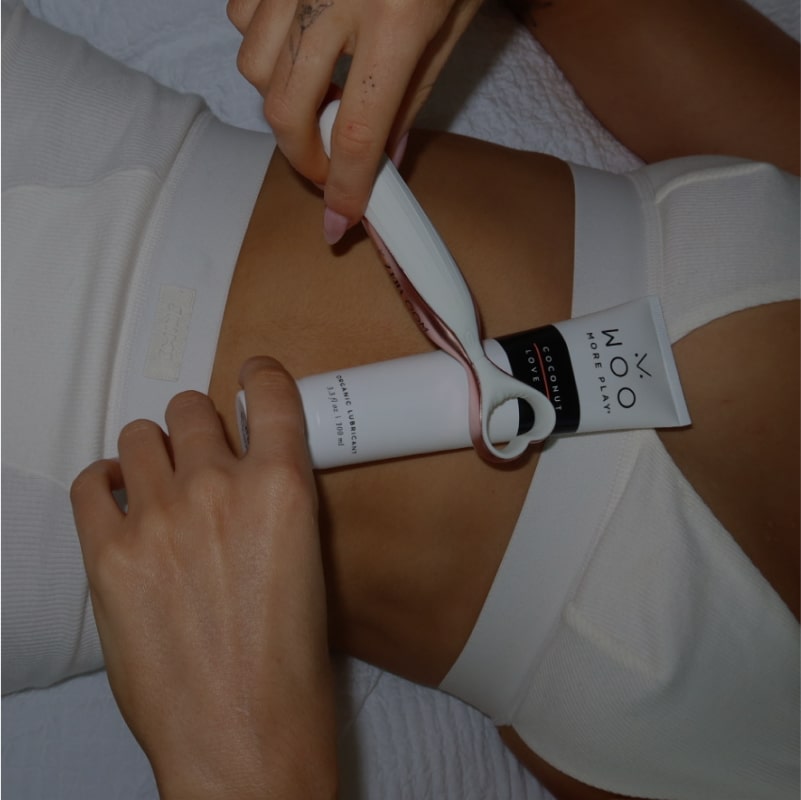
Also, consider tools that ease pressure and spark sensation. WOO’s Mushroom Vibez is a gorgeous way to rediscover pleasure—especially when orgasm isn’t the end goal, but feeling something is.

What happens if you have low desire over a long time?
When your libido takes a vacation and doesn’t send a postcard, that could be hypoactive sexual desire. That’s the fancy name for long-term low interest in sex.
If this goes on for months and feels distressing, it might be time to talk to someone who works in sexual health or sexual medicine. A doctor, therapist, or sexologist can help rule out physical causes and talk about therapy, meds, or relationship shifts that may help.
Low libido doesn’t make you unlovable. It makes you human. Especially if your mind’s been stuck in fight-or-flight from whatever life threw your way.
What actually helps with mental health and libido?
Before trying to "fix" your libido, Amoroso recommends helping your nervous system settle first. That might look like a few slow breaths, a gentle walk, or simply taking a moment to notice how your body feels without judging it. Desire often returns more easily when your body no longer feels like it has to stay on high alert.
Here are a few more things to try:
- Move your body. Doesn’t have to be the gym. Just get the blood flowing.
- Sleep more. Yes, the nap counts.
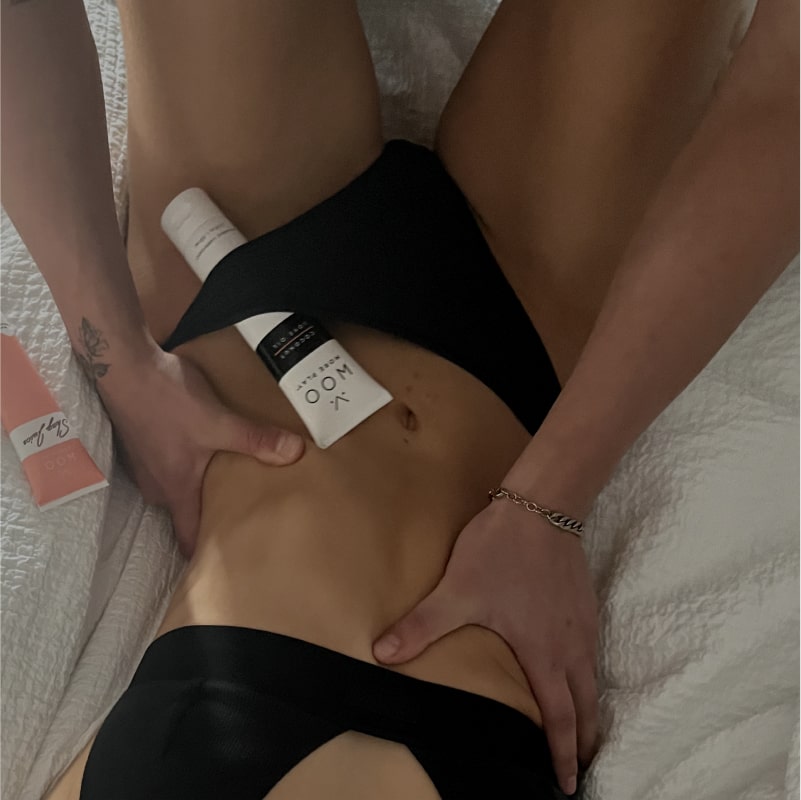
- Lube up. Oil-based or silicone-based lube specifically work well, because they don’t require frequent reapplication (and friction caused by low-libido dryness is not a vibe).
- Shift the goal. Make it about touch, not climax.
- Play. Vibes. Hands. Mouths. Edges. What else is there to do?
- Ask for help. Your brain deserves support as much as your body does.
Can lube help with low libido?
When your brain feels off, your body often follows. Low libido usually means less natural lubrication, slower arousal, and more friction, both physically and emotionally. That’s where lube becomes less of a “nice-to-have” and more of a love language.
Think of it as foreplay for your nervous system: it reduces discomfort, lets you relax, and makes touch feel better, even when desire is low. Whether you’re easing back into solo exploration or reconnecting with a partner, the right texture can change everything.
Here are some lube options:
- Water-based lube like Shag Juice: Gentle, feels natural, and is pH-balanced for sensitive skin. Perfect when your body needs gentle TLC, and it is especially the best option if you’re prone to infections or using condoms.
- Oil-based lube like Love Oil: Feels indulgent, is edible, and deeply moisturizing. Ideal for slow, sensual touch or massage-style intimacy when the goal is connection, not climax. Just not condom-compatible.
- Silicone-based lube like Dew Më: Long-lasting, smooth, and condom-friendly. Great when you want frictionless glide and zero interruptions, especially if you’re exploring anal or water play.
Lube doesn’t fix low libido, but it removes barriers to pleasure. When you’re relearning how to feel, comfort is key. The easier it is to touch, the easier it becomes to reconnect with your body, your partner, and your desire.

Final Thoughts: Your Brain Isn’t the Buzzkill
Pleasure is still yours. Even if your brain needs a moment to catch up. If your libido’s been playing hide and seek, you’re not broken. You’re responding—maybe to stress, to meds, to a body that’s tired, or a mind that’s holding too much.
As Serena Amoroso explains, your nervous system isn't trying to ruin your sex life. It's trying to protect you. When you start treating low desire as a signal instead of a personal failure, it becomes much easier to respond with compassion instead of pressure.
And the beautiful part? Feeling can come back. Slowly. Differently. In small, curious ways that don’t rush or shame or demand anything from you. Whether that starts with a gentle massage, a conversation, or a toy like Mushroom Vibez that whispers “no pressure” but still brings the spark—you get to find your rhythm again.
About The Expert

Serena Amoroso is an attachment style specialist, nervous system expert, somatic trauma practitioner, tantric relationship mentor, and sex, love, and relationship coach. She helps individuals and couples create deeper intimacy by combining nervous system regulation with relational intelligence.