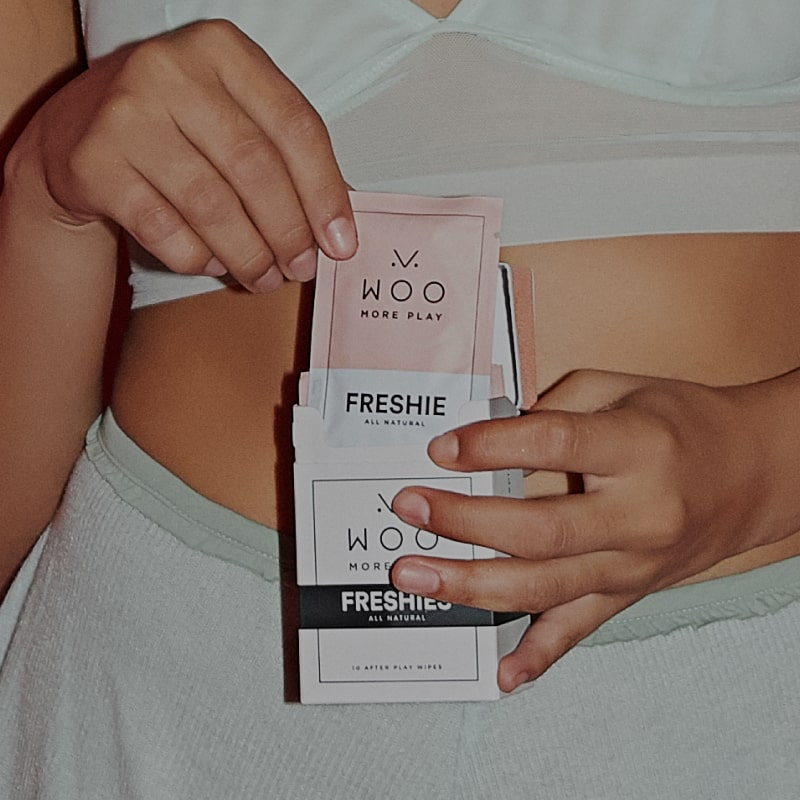
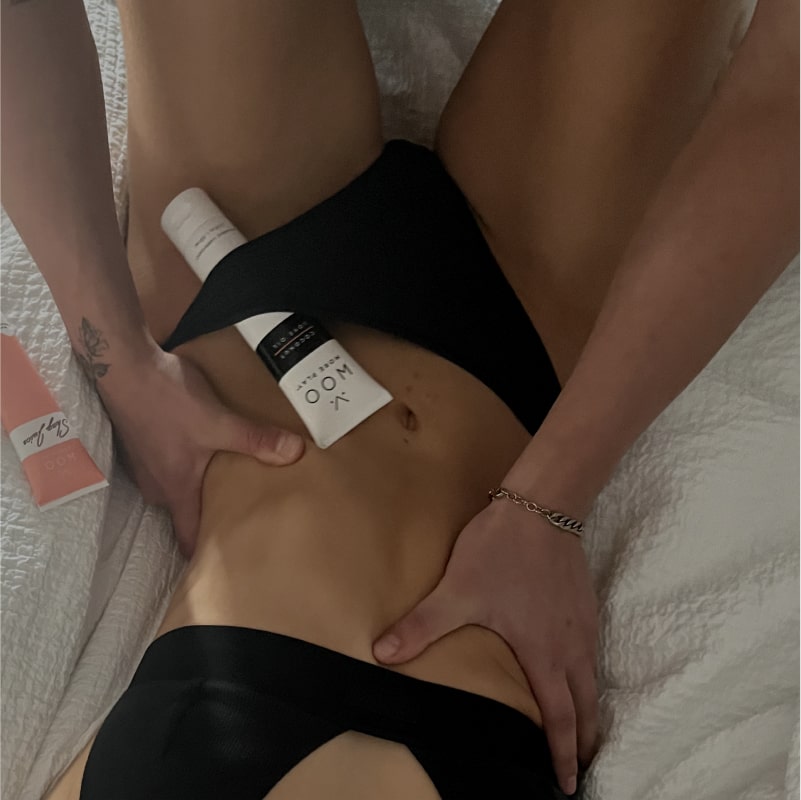
Let's get one thing straight: menopause is not the end of your sex life. It's just a new season—and spoiler alert—it can be hot (and not just from those hot flashes and night sweats).
Quick clarification first, because almost nobody gets this right. When people say "menopause," they usually mean perimenopause—the transition leading up to your final period, when hormones start fluctuating and the symptoms actually show up. Mayo Clinic puts the average start at 47, though anywhere from your early 40s to early 50s is normal.1 Menopause itself is a single day: the day that marks twelve consecutive months without a period. Everything after that is postmenopause. So if you're still getting periods (however chaotic) and wondering why sex feels different—you're in perimenopause, and there's plenty you can do about it right now.
Yes, your hormone levels change. Yes, vaginal dryness and pain might pop up. But none of that means your days of toe-curling, sheet-grabbing, soul-sparking sex are behind you.
We asked Simone Farschi, Sex and Intimacy Coach and founder of The Pleasure Plus, whether the doom narrative holds up.
"One of the biggest misconceptions about perimenopause is that it marks the beginning of the end of a woman's sexuality. In my experience, both personally and through working with clients, I often see the opposite. Many women become more sexually alive than ever before." — Simone Farschi, Sex and Intimacy Coach
Whether you're navigating menopausal symptoms, feeling a dip in interest in sex, or just want to know how to increase sex drive during menopause, this is your ultimate guide to rediscovering pleasure, connection, and confidence in your skin.
Ready to reclaim your sexual health and have a wildly fulfilling sex life? Let's go.
*WOO products may or may not make a star appearance... Okay, they definitely do.*
Key Takeaways
- Menopause changes your body, but it doesn't cancel your sex life.
- Most symptoms people blame on menopause are actually happening during perimenopause, the transition before it.
- Lower estrogen levels = changes in sexual activity, but not the end of sexual desire.
- Desire often shifts from spontaneous to responsive—arousal shows up after the touching starts, not before.
- Lube is your bestie. Non-negotiable, main-event, permanent-nightstand-resident status.
- You're not alone. You're not broken. And you're still damn sexy.
Why Menopause Changes Sex (and Why That’s Totally Normal)
First things first: this is a hormonal rollercoaster. As estrogen levels drop, your body changes, and so does your experience with sex.
Here's what might show up:
- Vaginal dryness and pain during penetration
- Thinner, more delicate vaginal tissue
- Fluctuations in sexual desire and energy
- Changes in mood, sleep, and confidence
- A decrease in natural lubrication (but that's what WOO's for)
Simone breaks down the mechanics without the doom:
"During perimenopause, estrogen, progesterone, and testosterone begin to fluctuate, and that can change how we experience sex. Desire may become less spontaneous and more responsive. Vaginal tissues can become drier or more sensitive, arousal may take longer, orgasms can feel different, and stress or poor sleep can make it harder for the body to relax into pleasure."
That "less spontaneous, more responsive" part deserves a highlight. Responsive desire means arousal builds after things get started rather than before. It's just a different order of operations (not a malfunction). Once you stop waiting to feel turned on before you begin, a whole lot of pressure evaporates.
These shifts can lead to sexual dysfunction if ignored, but you don't have to suffer through it. Understanding what's happening in your body helps you take back control and enjoy sex on your terms.
"But these changes don't mean your sex life is over. In many ways, they invite you into a more conscious and connected relationship with your body," Simone says.
And no, you're not "too old" to want sex. You're not broken. You're just rewiring—and that's where the good stuff starts.
Real Solutions for a Better Sex Life After Menopause
Let’s skip the shame and get straight to the good stuff. You deserve a sex life that feels good—and that starts with supporting your body where it’s at.
1. Lube Up
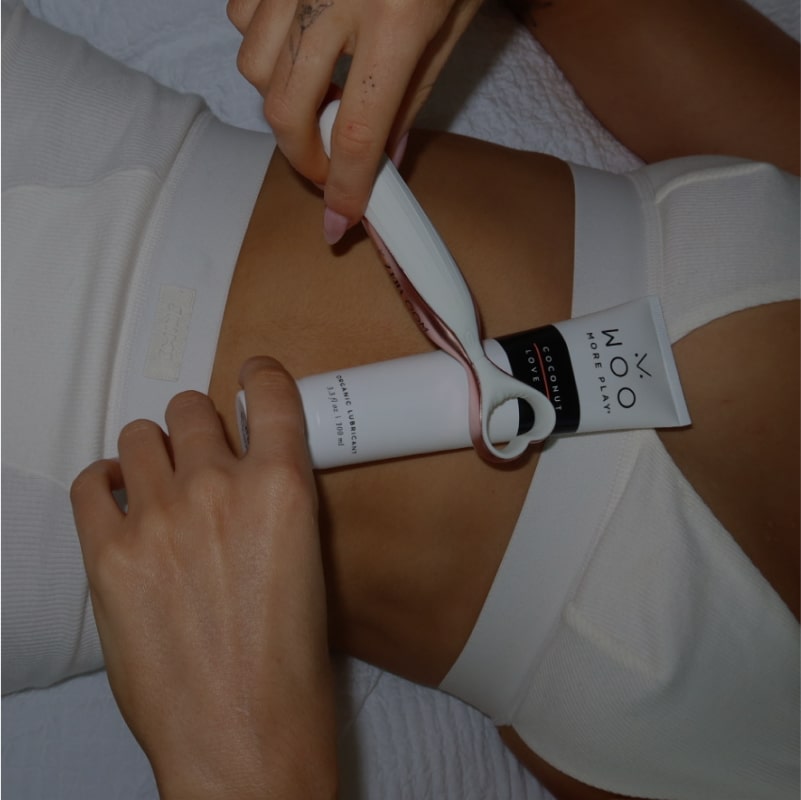
One of the easiest ways to boost comfort and pleasure? A good lubricant. WOO’s Coconut Love Oil is a velvety, all-natural oil-based lube that makes intimacy smoother, softer, and way more sensual. Bonus: it tastes like vanilla cupcakes.
If you prefer something that’s condom-compatible, reach for Shag Juice—a water-based formula that plays nice with latex, or our silicone-based Dew Më for silky pleasure that also makes water play smooth as hell.
Apply more than you think you need. Reapply without ceremony.

2. Try Vaginal Moisturizers or Estrogen Therapy
For ongoing hydration and vaginal tissue support, vaginal moisturizers and vaginal estrogen therapy can make a huge difference. They improve elasticity and reduce discomfort during sex—especially when used regularly.
3. Prioritize Foreplay & Non-Penetrative Pleasure
Your body may need a little more time to warm up—and that's not a bad thing. Touch, massage, kissing, using external sex toys… it all counts. And the slower pace? Chef's kiss.
Simone is emphatic on this one:
"What keeps sex pleasurable is slowing down. Longer foreplay, generous lubrication, emotional safety, honest communication, and letting go of old expectations become more important than ever. Rather than trying to recreate the sex you had at 25, it's an opportunity to discover the kind of sex your body wants now."
4. Talk to Your Doctor (and Your Partner)
Want to try hormone replacement therapy or curious about side effects of your meds on libido? A quick convo can open new paths to pleasure. And honest talks with your partner? Even hotter.
Simone also points women toward the unglamorous stuff that quietly works: "Self-pleasure, movement, pelvic floor health, strength training, quality sleep, and addressing hormonal symptoms... with a trusted healthcare provider when needed can all make a significant difference."
5. Redefine What Great Sex Means to You
Sex doesn't have to look like it did at 25. It can be deeper, more connected, more intentional. When you shift the goal from performance to pleasure, everything changes.
This is also where Simone pushes back hardest—specifically on the women who tell her their bodies have betrayed them.
"I would gently challenge that story. I like to ask, 'What exactly has your body betrayed? Is that belief truly yours, or is it an expectation you've inherited?' ... Rather than asking your body to go back, ask what it wants now."
She adds: "What feels like betrayal is often an invitation. It's a roadmap toward discovering a new relationship with pleasure, intimacy, and yourself. The less we fight our changing bodies, the more they tend to soften."
And this goes both ways. Men experience hormonal shifts and declining testosterone as they age too. As Simone puts it, the better question isn't "How do we get back to how it was?" It's "Who are we now, and what does pleasure look like for us today?"
Sex After Menopause FAQs
What's the difference between perimenopause and menopause?
Perimenopause is the transition leading up to your final period, when hormones fluctuate and symptoms begin—often starting in your mid-40s. Menopause is the single point marking twelve consecutive months without a period. Most symptoms commonly labelled menopausal actually occur during perimenopause.
Does menopause always lower your sex drive?
Not always, but hormone levels can affect your interest in sex. Desire often becomes responsive rather than spontaneous, meaning arousal builds once touch begins. Lifestyle changes, emotional connection, quality sleep, and generous lubrication all help support a satisfying sex life.
Can I still practice safe sex after menopause?
Yes! You may not be worried about pregnancy, but it’s still important to practice safe sex to prevent STIs—especially with new or multiple partners.
Is vaginal pain during sex after menopause normal?
It's common—but it's not something you have to "just live with." Lubrication, vaginal estrogen therapy, and regular sexual activity can help reduce discomfort. Persistent or sharp pain deserves a conversation with your gynecologist, since infections and pelvic floor issues can also be responsible.
What if I just don’t feel sexy anymore?
That’s okay—and also reversible. Intimacy is more than physical. Start with connection, touch, and tools that help you ease back in (hi again, WOO).
Final Word On Sex After Menopause
Sex during menopause isn't about "getting back to normal." It's about creating a new normal—one where your pleasure, your comfort, and your confidence lead the way.
Which, according to the woman who does this work for a living, is often more honest, more connected, and better than what came before.
So light the candles, add some lube, and reclaim your joy.
About The Expert

Simone Farschi, Sex and Intimacy Coach
Simone is the founder of The Pleasure Plus, an online community that brings women together to learn how to have fulfilling and emotionally intelligent relationships, be empowered and secure in their bodies, be authentically themselves, gain sexual agency, trust their choices, and communicate desires—becoming more magnetic, radiant, and fulfilled in all aspects of their lives.
She offers private coaching sessions, pleasure mentorships, online courses, and retreats, and most recently brings art to the zone of pleasure with handmade Vulva Castings, celebrating the body as a timeless beauty.
Sources:
1 - https://mcpress.mayoclinic.org/menopause/explaining-the-stages-of-menopause/