If your sex drive has gone quiet lately, it's probably not just one thing. Libido doesn't live in a vacuum. It's tangled up with your hormones, your nervous system, your sleep, your meds, even where you are in your cycle. Here's the real science behind five of the biggest libido factors, and what actually helps bring the spark back.
Key Takeaways
-
Stress shuts down desire by diverting your body into fight-or-flight mode - it's biology, not a personal failing.
-
Poor sleep tanks the hormones (testosterone, estrogen) that fuel arousal. Even one short week of bad sleep can measurably drop desire.
-
Mental health conditions like anxiety and depression, plus medications like SSRIs, can numb desire directly - this is common and treatable.
-
Hormonal birth control affects libido differently for everyone. In one Swedish survey of 3,740 young women, 27% of hormonal contraceptive users reported a drop in desire, compared with 12% of women using hormone-free methods.
-
Your menstrual cycle naturally shifts your desire - expect a peak around ovulation and a dip during the luteal phase.
-
The fix usually isn't complicated: better sleep, lower stress, the right lube, and an honest conversation (with a partner or a doctor) go a long way.
What Is Libido?
Libido is your natural desire for sex. It's affected by hormones, stress levels, relationship dynamics, and yep - your mental state. Libido isn't a measure of how much you care about your partner or how "healthy" you are. It's more like your internal GPS for pleasure. And sometimes, that GPS loses signal.
Stress & Your Libido
We get it. Life's stressful. Between inbox overload, doomscrolling, and that one group chat that won't stop buzzing, it's no wonder your libido is waving a white flag.
But this isn't just in your head - the connection between stress and sex drive is real, and very hormonal. When your body is in fight-or-flight mode, your sympathetic nervous system releases cortisol and adrenaline. That cocktail:
- Increases heart rate and blood pressure - not in the sexy way
- Reduces blood flow to "non-essential" organs (yes, your genitals count as non-essential when your body thinks it's surviving a threat)
- Suppresses sex hormones like testosterone and estrogen
- Dials down your overall sexual desire
Basically, your brain is saying, "Now's not the time - we're in survival mode." This happens to men and women alike, though it shows up differently: men may struggle with performance, women can experience lower arousal or vaginal dryness.
As attachment style specialist and nervous system expert Serena Amoroso explains, an anxious nervous system is constantly scanning, managing, and bracing for rejection. When your body is working that hard just to feel safe, intimacy can start to feel exhausting instead of enjoyable. Low desire isn't a malfunction - it's often a sign your nervous system has been stuck in survival mode for too long.
What helps: deep breathing paired with gentle physical sensation (Amoroso recommends tracing your fingers along your arm to reconnect with your body before worrying about desire), regular movement, setting boundaries with stressors, non-sexual touch to rebuild a sense of safety, and - genuinely - scheduling intimacy. It's not unsexy, it's intentional.
If stress shows up mid-moment (racing heart, zero lubrication, performance anxiety), Amoroso recommends treating it with curiosity instead of pressure: pause, breathe, maybe laugh about it. The goal isn't orgasm, it's reconnection.
Does Bad Sleep Affect Your Libido?
"I'm too tired" isn't always an excuse. It's biology.
Research in the Journal of Sexual Medicine shows sleep deprivation directly affects sexual desire, arousal, and your body's physical response. For men, sleep is critical for healthy testosterone - one study found sleeping just 5 hours a night for a week can drop testosterone by up to 15%. For women, a 2015 study found each additional hour of sleep increased the likelihood of sexual activity the next day by 14%.
Sleep disorders compound this. Obstructive sleep apnea is strongly linked to sexual dysfunction in both men (erectile issues, lower testosterone) and women (reduced lubrication, difficulty reaching orgasm). Insomnia and restless leg syndrome raise cortisol and disrupt serotonin and dopamine - the chemicals that make sex feel good in the first place.
Most experts recommend 7-9 hours a night on a consistent schedule. If you've tried the basics (earlier bedtime, less screen time, a calming wind-down routine) and your desire still feels MIA, or you're dealing with ongoing trouble sleeping, it's worth talking to a doctor - a sleep disorder, hormonal imbalance, or mental health factor could be playing a role.

Mental Health & Your Libido
Depression, anxiety, and stress all have a way of slamming the brakes on arousal. Depression doesn't just make you feel sad - it can numb your ability to feel desire at all, because your brain is stuck prioritizing survival over pleasure. Anxiety ramps up cortisol, which interferes with the testosterone and estrogen that fuel your sex drive.
Medications play a role too: a common side effect of antidepressants, especially SSRIs, is reduced arousal and difficulty reaching orgasm. This is common, and there are workarounds - it's worth talking to your doctor if your meds are affecting your sex life.
If it's your partner pulling away, Amoroso notes it's easy to assume that means they're pulling away from the relationship - in reality, their nervous system may just be overwhelmed. Curiosity over blame goes a long way:
- "I miss being close. Is something on your mind?"
- "What feels good for you right now?"
- "Would it help if we just cuddled and didn't make it about sex?"
If low desire persists for months and feels distressing, that could be hypoactive sexual desire - worth bringing to a doctor, therapist, or sexologist who can help rule out physical causes.
Does Birth Control Affect Sex Life?
Started birth control and your sex life feels off? You're not imagining it. In a Swedish survey of 3,740 women aged 22 to 28, 27% of hormonal contraceptive users reported a decrease in sexual desire that they attributed to their contraception, compared with 12% of women using hormone-free methods. But it's not universal - some oral contraceptives affect libido more than others, and some people see no change (or even an increase).
What's actually happening:
-
Hormonal shifts - some methods lower free testosterone or shift your estrogen/progesterone balance in ways that dull desire.
-
Physical side effects - dryness, sensitivity, irregular bleeding can turn intimacy into a friction-filled chore.
-
Mental/emotional effects - mood changes and performance anxiety can compound the hormonal impact.
-
It varies by method - combined pills and higher-progestin methods tend to affect libido the most; hormonal IUDs and low-dose options are often gentler. Non-hormonal methods skip the hormonal interference but can bring their own physical side effects.
If your sex drive took a hit after starting (or stopping) birth control, it often bounces back - sometimes quickly, sometimes over a few weeks or months, depending on genetics and how long you were on it. Talk to your OB-GYN about whether a different method or lower dose might help.

Your Menstrual Cycle & Libido
Your sexual desire isn't random - it shifts with your cycle, tracking right along with your estrogen and progesterone levels.
-
Follicular phase (Days 1–14): Not much interest at first, but as estrogen rises, you're naturally more lubricated and increasingly in the mood. Best for slow, sensual build-ups.
-
Ovulation (around Day 14–16): Peak desire. Luteinizing hormone surges, estrogen and testosterone hit their high point, and your body is biologically wired to want sex the most. Best for high-energy, passionate sex.
-
Luteal phase (Days 16–28): Progesterone takes over. Some people feel more emotionally connected; others notice a dip in arousal. Best for gentler, lower-pressure intimacy.
-
Menstruation (Days 1–7): Contrary to assumption, this can be a great time for intimacy - increased blood flow can heighten sensitivity, and orgasm may help relieve cramps. If you're curious about period sex specifically (logistics, mess-management, barrier options), that's worth its own read - the short version is it's more straightforward than people assume.
Factors like stress, poor sleep, and birth control (above) can all throw this natural rhythm off balance. Tracking your cycle can help you anticipate the shifts rather than be caught off guard by them.

Sexually Transmitted Infections (STIs)
Your cervix is more open during ovulation, making you more susceptible to sexually transmitted infections. Safe sex isn't just about avoiding pregnancy - it's about protecting your sexual health. Use condoms, get tested regularly, and make sure your partner does too.
What Actually Helps (Across the Board)
A few tools show up as useful no matter which of the five factors is in play:
-
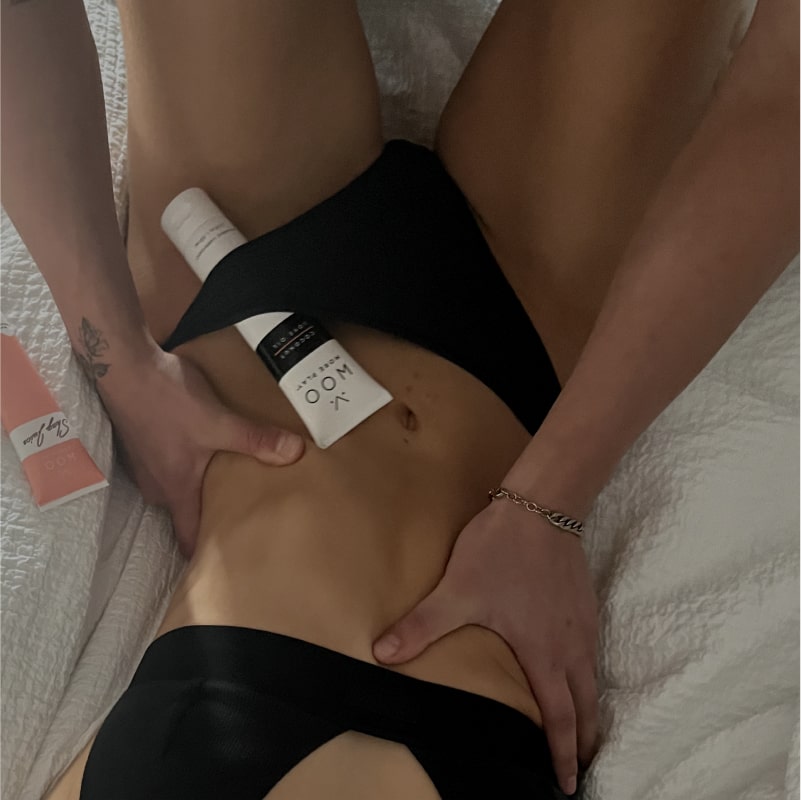
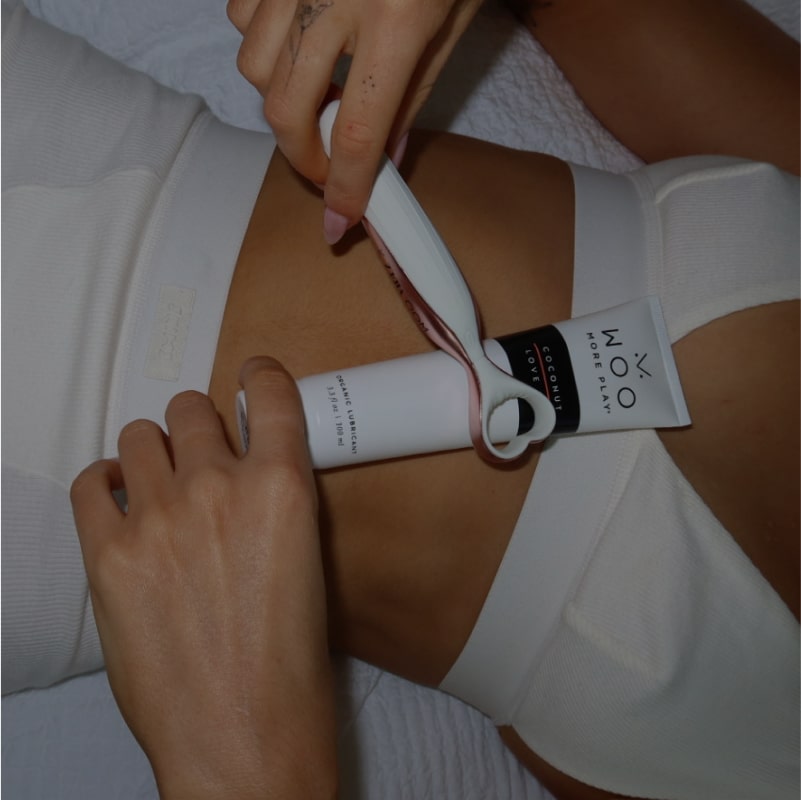
The right lube. Dryness is a common thread across stress, low mood, birth control, and the luteal phase. Shag Juice (water-based, pH-balanced) is gentle for sensitive skin and condom-safe. Dew Më (silicone-based) lasts longer without reapplying and holds up in the shower. Coconut Love Oil feels indulgent and doubles as a massage oil for slow, pressure-free connection.
-
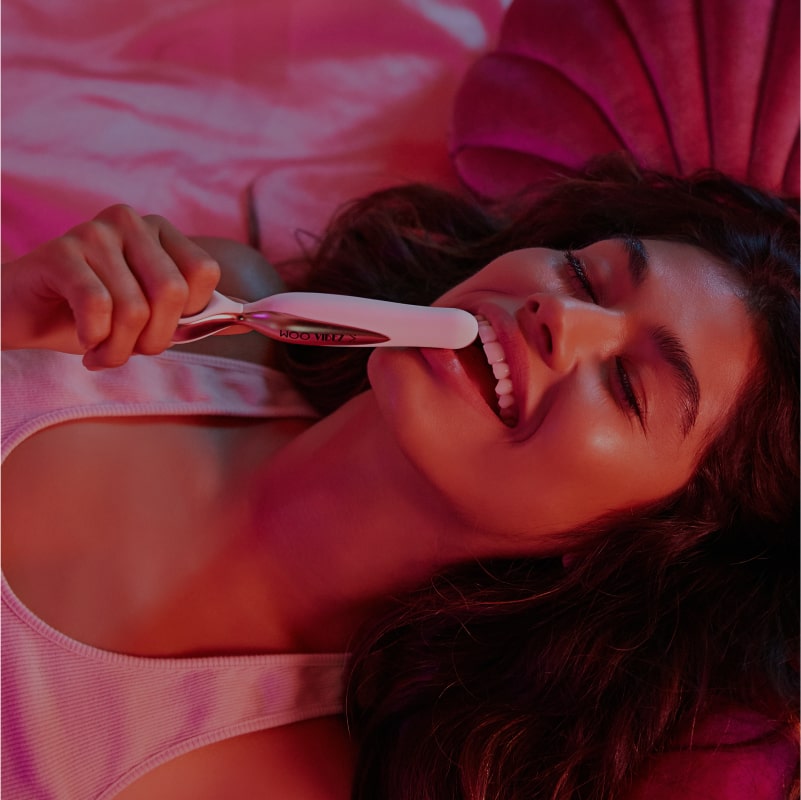
Low-pressure tools. Mushroom Vibez is a gentle way to rediscover pleasure when orgasm isn't the goal, just feeling something is. Vibez clitoral vibrator works well for solo reconnection.
-
Movement. Doesn't have to be the gym - just get the blood flowing. It helps with stress, sleep, and hormone balance all at once.
-
Sleep basics. Dim lights before bed, keep the bedroom cool, ditch the devices, aim for a consistent schedule.
-
Talking to a doctor. Whether it's medication side effects, a birth control method that isn't working for you, or persistent low desire that won't budge - this is the move, not a last resort.
-
Shift the goal. Make it about touch and connection, not climax. Desire often returns more easily when there's no pressure attached to it.

FAQ
Can stress cause low libido in both men and women?
Yes. Stress affects men and women differently, but both experience a drop in desire due to elevated cortisol, disrupted sex hormone production, and reduced blood flow to sexual organs.
Why does my sex drive disappear when I'm anxious?
Your body treats anxiety as a threat and activates the sympathetic nervous system, which shuts down desire to prioritize survival. Your brain says "no thanks" to sex when it's stuck in panic mode.
Can poor sleep really affect my sex drive?
Yes - sleep deprivation lowers testosterone, disrupts the hormones that drive arousal, and leaves your body focused on survival rather than pleasure. Just one short week of bad sleep can measurably lower desire.
Can antidepressants affect your sex drive?
Often, yes - especially SSRIs, which commonly reduce arousal and make orgasm harder to reach. Talk to your doctor if this is happening; there are usually workarounds.
Can birth control cause hypoactive sexual desire (no libido at all)?
It can. Hormonal birth control can trigger HSDD in some people by affecting androgen levels like testosterone. Not everyone reacts the same way, so it's worth tracking how you feel and talking to your doctor if it persists.
Will my sex drive bounce back if I stop birth control?
Often yes, sometimes quickly. For others it takes a few weeks or months as hormones reset - how long you were on it, your genetics, and overall health all play a role.
Is it normal for my desire to change throughout my cycle?
Completely. Expect a peak around ovulation (estrogen and testosterone surge) and a possible dip during the luteal phase as progesterone takes over. Working with your cycle rather than against it can make intimacy feel more in sync with your body.
Can lube help if my low libido isn't about dryness?
Yes. Low libido often means less natural lubrication and more friction, physically and emotionally. Lube removes a barrier to comfort, which makes it easier to reconnect with your body and your desire, even when the root cause isn't physical.
Final Thoughts
Here's the bottom line: low libido is rarely about one thing, and it's almost never a personal failing. Stress, sleep, mental health, hormones, and your cycle are all quietly running the show behind the scenes - and once you understand which ones are in play for you, you can actually do something about it.
Pleasure is personal, and so is healing. Whether that looks like therapy, better sleep, a new birth control method, or just the right lube and a little patience with yourself, your desire can come back. Slowly, differently, without shame or pressure.

About The Expert
Serena Amoroso is an attachment style specialist, nervous system expert, somatic trauma practitioner, tantric relationship mentor, and sex, love, and relationship coach. She helps individuals and couples create deeper intimacy by combining nervous system regulation with relational intelligence.