We spend a lot of time talking about positions. The best ones, the wildest ones, the ones that promise deeper penetration or better angles. But here’s the thing no one really says out loud: great sex isn’t about knowing a hundred positions. It’s about how you move between them.
Changing sex positions is where the magic either builds… or completely falls apart.
At WOO More Play, the focus has always been on connection over performance. And when it comes to switching things up, that mindset matters even more, because the goal isn’t to nail the choreography. It’s to stay in the moment, keep that skin to skin contact, and let things evolve naturally.
Key Takeaways
-
Smooth transitions matter more than mastering complicated positions
-
Staying connected physically and emotionally keeps the momentum going
-
Small adjustments can lead to deeper pleasure and better alignment
-
Lube helps maintain comfort and flow during transitions
-
Communication and curiosity are key to a more satisfying sex life
Why changing sex positions can feel… awkward
Let’s be honest: switching positions can sometimes feel like a group project where no one knows what they’re doing.
There’s the pause, the overthinking, the accidental elbow. Suddenly, you’re very aware of your body in a way that pulls you out of the moment.
But that awkwardness usually comes from treating positions as isolated moves rather than as part of a continuous experience. When you focus less on “what’s next” and more on staying connected, transitions start to feel a lot more natural. Think of it less like a routine and more like a shift in energy.
The secret: stay connected while you switch
The easiest way to keep things flowing is to maintain some form of connection as you move.
That can be eye contact, a hand on your partner’s body, or staying close enough to feel each other’s breath. Even small things like guiding your partner with your hands instead of pulling away completely can make a big difference.
If you’re moving from a face-to-face position into something like doggy style, try transitioning through a kneeling position rather than breaking contact entirely. It keeps the energy intact instead of resetting it.
If one partner is moving into a standing position while the other adjusts, keep that physical connection going. A hand on the hip, a kiss, a moment of closeness—it all adds up.
Start with positions that naturally flow into each other
Some positions just make more sense together.
For example, if the receiving partner lies on their back, you can shift into the coital alignment technique for more intentional clitoral stimulation without a full reset. From there, rolling onto your sides creates a softer, slower rhythm while staying close.
If you’re in a kneeling position, it’s easier to transition into doggy style or have the receiving partner lift slightly to adjust angles for deeper penetration.
Reverse cowgirl can flow naturally from a seated or upright position, especially if the partner sitting guides the movement rather than stopping completely.
Don’t feel like you need to memorize a sequence. Let your body lead; it knows what to do.
Use your hands more than you think
Hands are underrated when it comes to changing sex positions. They guide, support, and maintain the connection simultaneously.
The penetrating partner can use their hands to help position the receiving partner, whether that’s guiding hips, supporting weight, or helping them shift comfortably. The receiving partner can also stay active, using their hands to stabilize themselves or keep contact during movement.
It turns transitions into something collaborative instead of clunky.
Lube is your best friend for smooth transitions
If there’s one thing that makes everything easier, it’s lube. Seriously.
Switching positions can sometimes disrupt natural lubrication, especially when angles change or a bit of repositioning is involved. That’s where a good lubricant keeps things feeling seamless instead of sticky or uncomfortable.
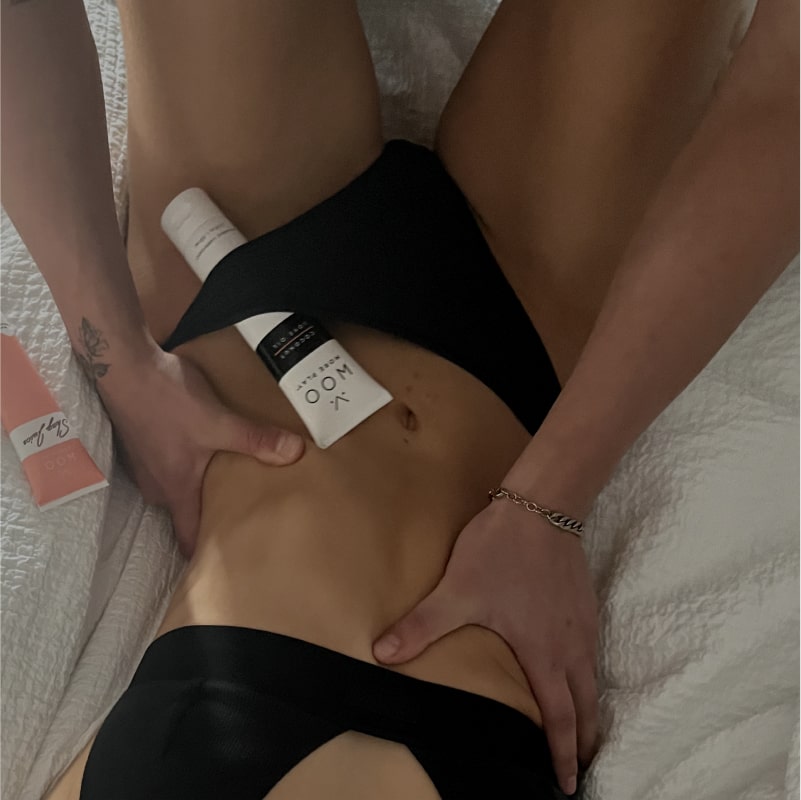
WOO More Play offers body-safe, thoughtfully formulated lubricants like Coconut Love Oil that enhance that glide without distraction. Whether you prefer something oil-based or are exploring a silicon-based option for longer-lasting slip, the right lube helps transitions feel as good as the positions themselves.
Don’t rush the switch
One of the biggest mistakes? Treating sex like you’re trying to hit a time limit.
Fast transitions might sound exciting in theory, but in reality they can feel abrupt, awkward, and a little… disconnected. Like you just skipped past the good part.
Slowing down is where things actually get interesting. It keeps you in sync, lets you read each other, and makes every shift feel intentional instead of rushed. The shift in angle, the change in pressure, the anticipation of what’s next.
Keep communication low-key but present
You don’t need a full-on discussion mid-moment, but small cues go a long way.
A soft “like this?” or guiding touch can help both partners stay aligned without breaking the mood. Nonverbal communication matters just as much. Pay attention to how your partner responds, how their body moves, and what seems to feel good. Transitions feel smoother when both people are tuned in rather than guessing.
Make space for clitoral stimulation
Not every position naturally supports clitoral stimulation, which is why transitions are a great opportunity to adjust.
Shifting into positions like coital alignment or bringing in your hands during a transition can help maintain consistent pleasure. We’ll also let you into a little secret: sex toys, like WOO’s Mushroom Vibez, can be an incredible way to keep your partner turned on as you switch positions.
Embrace the imperfect moments
Here’s the reality. Sometimes you will bump knees. Sometimes you’ll laugh. Sometimes a transition won’t go as planned. That doesn’t mean anything is wrong.
In fact, those moments often make the experience feel more real and connected. The goal isn’t perfection, it’s presence. The more you let go of the idea that everything has to look or feel a certain way, the easier it becomes to enjoy the process.
FAQs
How do you change sex positions without losing the mood?
Stay physically connected, move slowly, and treat the transition as part of the experience rather than a break in it.
What positions are easiest to switch between?
Positions that share a similar base, such as kneeling or lying down, tend to flow more naturally into one another.
Does lube really make a difference?
Yes. It helps maintain comfort and smoothness, especially during repositioning.
What if switching positions feels awkward?
That’s completely normal. With practice and communication, it becomes more intuitive.
Conclusion
Great sex isn’t about how many positions you know. It’s about how you move, how you connect, and how you stay present with your partner through it all.
Changing sex positions becomes less about logistics and more about flow when you focus on connection first.
And when you support that experience with the right tools, like the body-safe essentials from WOO More Play, everything feels a little easier, a little smoother, and a lot more enjoyable.
Because at the end of the day, it’s not about getting from one position to the next. It’s about everything that happens in between.