Some days, everything just flows down there.
Other days not so much.
And suddenly you’re in your head wondering why your body didn’t get the memo.
Here’s the truth no one really says out loud: vaginal dryness is normal. It happens when you’re stressed, distracted, hormonal, tired, or honestly, just not fully there yet. Your body isn’t a switch you can just flip on and off instantly.
The good news? When you understand what actually affects lubrication—like estrogen levels, blood flow, and arousal—it becomes a lot easier to work with your body instead of questioning it.
Let’s talk about how to get there.
Key Takeaways
-
Vaginal dryness is common and influenced by hormones, stress, and overall health
-
Estrogen levels play a major role in natural lubrication and vaginal tissue health
-
Hydration, healthy fats, and proper arousal can support natural lubrication
-
Vaginal moisturizers and medical options (like estrogen cream) can help when dryness is persistent
-
The right lube, whether water based, silicone based, or oil based, can enhance comfort and confidence
What Causes Vaginal Dryness?

Your body is usually pretty good at taking care of its own lubrication. But when something shifts internally, your vaginal tissue can respond quickly, often resulting in dryness.
Here are some of the most common reasons:
1. Hormonal Changes (The Big One)
Estrogen is one of the main hormones responsible for keeping vaginal tissue hydrated, elastic, and ready for action. So when estrogen dips, lubrication usually follows.
And that doesn’t just happen in big life stages. It can happen every single month.
You might notice more natural lubrication:
-
Around ovulation (when estrogen peaks)
And less when:
-
You’re right before or during your period (when estrogen drops)
-
You’re postpartum or breastfeeding
-
You’re in menopause (which can lead to vaginal atrophy)
-
You’re using certain hormonal birth control
Lower estrogen levels can make vaginal tissue thinner, drier, and a little more sensitive, which explains why some days feel effortless, and others feel like your body needs a minute (or five).
2. Medical Treatments, Health Conditions & Medications
Certain medications, treatments, and underlying health conditions can all play a role in vaginal dryness.
This includes:
-
Antihistamines and antidepressants
-
Cancer treatments (like chemotherapy or radiation)
-
Hormonal therapies or birth control
-
Health conditions that affect hormones or blood flow (like menopause, autoimmune disorders, or diabetes)
These can shift your hormone levels, circulation, and how your body responds in the moment, which can show up as dryness, sensitivity, or discomfort.
If you’re noticing consistent dryness and something on this list feels familiar, it’s worth checking in with your doctor. They can help connect the dots and recommend options that support your body without the guesswork.
3. Stress & Mental Load
Your brain is your biggest sex organ. When it’s overwhelmed, your body follows.
Chronic stress can:
-
Reduce arousal response
-
Decrease natural lubrication
-
Impact overall sexual health
4. Lifestyle Factors (The Quiet Contributors)
Here’s where things get overlooked.
Everyday habits can quietly affect vaginal health and lubrication over time:
-
Smoking: Reduces blood flow and lowers estrogen levels
-
Poor sleep: Disrupts hormone regulation and recovery
-
Diet: Low intake of healthy fats can impact hormone production
-
Dehydration: Less fluid in your body = less natural lubrication
Lifestyle factors like smoking and overall health habits can influence vaginal dryness by affecting circulation and hormone balance.
It’s not about being perfect. But your body does notice patterns.
5. Lack of Arousal (Yes, It Matters)
Sometimes it’s not about your body “not working.” It’s about not being warmed up yet.
Lubrication is part of the arousal process. It builds with:
-
Increased blood flow
-
Stimulation
-
Feeling relaxed and turned on
More time, more stimulation, and more connection = better natural lubrication.
And here’s where it gets interesting: what you use during the buildup can change the entire experience.
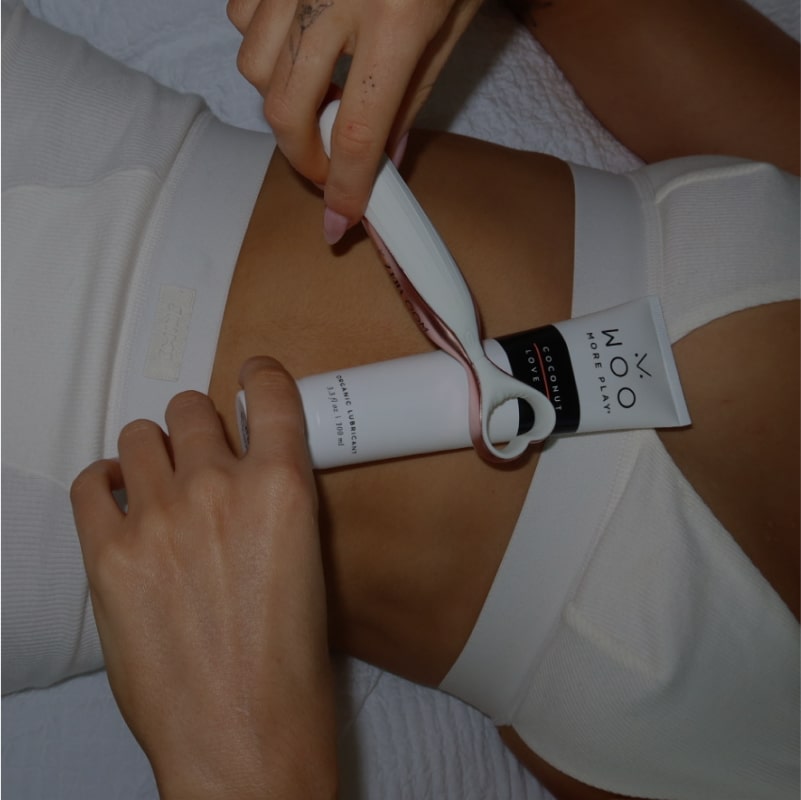
A silky, body-friendly lube, like Coconut Love Oil, can make foreplay feel smoother, more comfortable, and a lot more inviting. This means you’re more likely to stay present, enjoy the moment, and let your body respond naturally.
How to Increase Vaginal Lubrication Naturally
Think of this as less “fixing a problem” and more “giving your body what it needs to do its thing.”
1. Stay Hydrated
We know. Water again.
But hydration directly affects your body’s ability to produce natural fluids, including the ones you actually care about here.
If your lips are dry, your skin’s tight, and you’ve had three coffees and zero water… your body’s not exactly in its most generous era.
Drink up.
2. Support Your Body With Healthy Fats
Your body uses fatty acids to support hormone production and tissue health.
Try incorporating:
-
Avocados
-
Nuts and seeds
-
Olive oil
-
Omega-3-rich foods
These support overall vaginal health and can help maintain moisture levels over time.
3. Prioritize Foreplay (Yes, We Said It)
Your body needs a minute to catch up with your mind.
More foreplay means more blood flow, and more blood flow means more natural lubrication.
So if things feel a little off, it might not be your body… it might just be the pacing.
We’re linking our best foreplay tips here. You’ll thank us later.
4. Talk to a Doctor When Needed
If dryness is ongoing or uncomfortable, it’s worth checking in with a medical professional.
In many cases, simple solutions come first. Vaginal lubricants (water & silicone-based if you’re using condoms, oil-based if without) and moisturizers are often recommended as an initial step to relieve dryness before moving on to medical treatments (if needed).
From there, a healthcare provider may suggest options like:
-
Vaginal estrogen
-
Estrogen cream
-
Other treatments to support vaginal tissue health
Especially if you’re experiencing vaginal atrophy or symptoms related to menopause or cancer treatment, getting personalized guidance can help you find what actually works for your body.
Enhancing Natural Lubrication With the Right Lube
Here’s the thing: lube isn’t just for when something’s missing, it’s for when you want more.
More glide. More sensation. More of those “wait… okay, that feels really good” moments.
Whether your body gets wet on its own or could use a little backup, the right lube can take everything from good to “why didn’t we do this sooner?”
The right lube doesn’t just reduce friction, it changes the entire experience.
Water-Based Lubricants
Easy, versatile, and compatible with everything.
Shag Juice is one of those “always works” options. Lightweight, non-sticky, and made to feel like your body, just a little more hydrated.
Silicone-Based Lubricants
Long-lasting, ultra-slick, and perfect for when you don’t want to reapply.
Dew Më is basically a silk sheet in a bottle: smooth, effortless, and built for longer sessions (or shower moments that deserve better).
Oil-Based Lubricants
For when you want something rich, moisturizing, and a little indulgent.
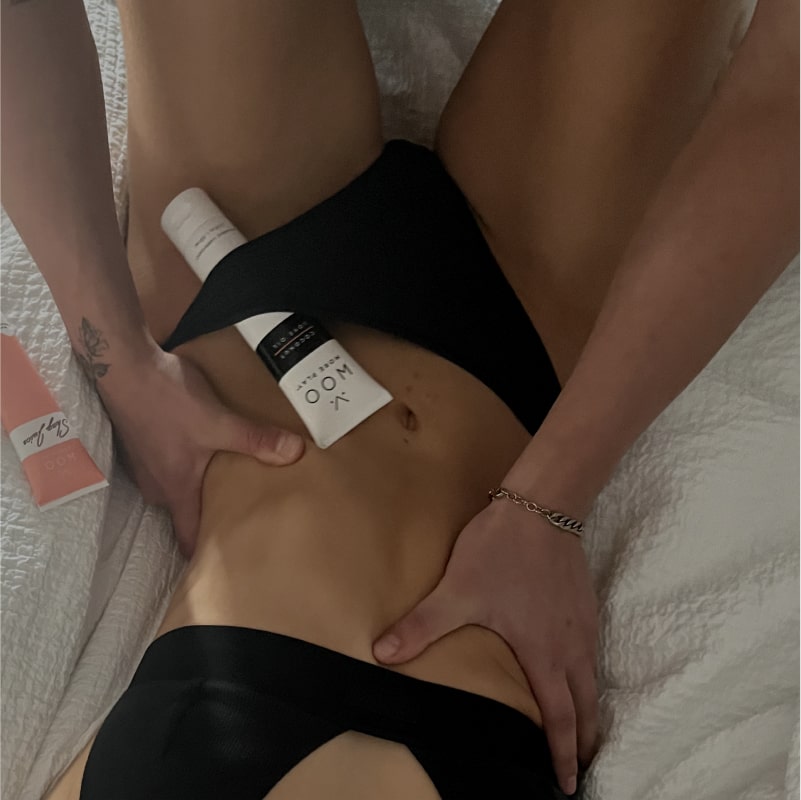
Coconut Love Oil is made with organic and natural ingredients like coconut oil and beeswax, giving you a smooth, long-lasting glide that doubles as a massage oil. It’s the kind of product that feels as good as it smells.
It’s not just about lubrication. It’s about creating an experience your whole body can enjoy.
…and that’s kind of the whole point.
FAQs
What is the fastest way to increase vaginal lubrication?
The quickest way is to use a high-quality vaginal lubricant during sexual activity. For long-term improvement, hydration, foreplay, and hormone support all play a role.
Can vaginal dryness cause infections?
Yes. Dryness can make vaginal tissue more prone to irritation, which may increase the risk of urinary tract infections (UTIs) or discomfort during sex.
Are natural lubricants better for vaginal health?
Often, yes, but it depends on what’s actually in the formula. “Natural” gets thrown around a lot, so it’s worth checking the ingredient list to see what you’re really working with. The goal is simple, body-friendly ingredients that feel good and don’t overcomplicate things. That’s where options like WOO More Play’s Coconut Love Oil come in, made with organic and natural ingredients for a smooth, easy glide you can feel good about.
Do hormones affect vaginal lubrication?
Absolutely. Lower estrogen levels, especially during menopause, postpartum, or certain treatments, can significantly reduce natural lubrication.
When should I see a doctor for vaginal dryness?
If dryness is persistent, painful, or affecting your daily life or sexual activity, it’s worth speaking to a healthcare provider about options like vaginal estrogen or other treatments.
Final Thoughts
Your body isn’t “failing” you. It’s communicating.
Sometimes it needs hydration. Sometimes it needs more time. And sometimes… it just needs a little support.
That’s where WOO More Play comes in. Not to fix you, but to meet you where you are with clean, body-friendly products designed to make intimacy feel natural, comfortable, and actually enjoyable.
Because when things feel good, everything else tends to follow.
References
1 - https://my.clevelandclinic.org/health/symptoms/21027-vaginal-dryness
2 - https://www.mayoclinic.org/symptoms/vaginal-dryness/basics/causes/sym-20151520
3 - https://www.mayoclinic.org/diseases-conditions/vaginal-atrophy/diagnosis-treatment/drc-20352294